

Buying your first electric vehicle can feel exciting, but it can also bring many questions. How far can an EV travel? Where can you charge it? How long does charging take? Are electric cars really cheaper to own? These questions are normal, especially for buyers who have spent years driving petrol or diesel vehicles. Understanding the basics before making a purchase can help you choose a vehicle that matches your budget, lifestyle, and daily travel needs. Modern EVs are no longer limited to a small group of early adopters. More drivers are considering them because of lower running costs, quiet performance, advanced technology, and reduced dependence on traditional fuel. In this guide, whitemagz explains the most important electric vehicle concepts in simple language so first-time buyers can make a more confident decision.
What Is an Electric Vehicle?
An electric vehicle, often called an EV, uses one or more electric motors for movement. Instead of relying entirely on a traditional internal combustion engine, an EV stores electrical energy in a large battery pack. That energy powers the motor, which turns the wheels and moves the vehicle. Pure battery-electric vehicles do not require petrol or diesel for everyday driving. Other electrified options, such as hybrids and plug-in hybrids, combine electric power with a conventional engine.
For a first-time buyer, it is important to understand the difference between these options. A battery-electric vehicle is the simplest choice for drivers who want to move completely away from conventional fuel. It can be charged at home or at public charging locations. Electric motors also deliver power quickly, which means many EVs feel responsive when accelerating. According to whitemagz, understanding how the vehicle is powered is the first step toward selecting the right type of EV.
The Main Types of Electric Vehicles
Not every vehicle with an electric motor works in the same way. Buyers should understand the major categories before comparing models.
- Battery Electric Vehicle (BEV): Runs entirely on electricity stored in a rechargeable battery.
- Hybrid Electric Vehicle (HEV): Uses both a petrol engine and an electric motor but usually cannot be plugged in for regular charging.
- Plug-In Hybrid Electric Vehicle (PHEV): Combines an electric motor with a conventional engine and can be charged from an external power source.
- Range-Extended Electric Vehicle: Primarily drives using electric power but includes a small engine that can help extend driving distance in some situations.
A BEV is generally the most straightforward option for buyers who have reliable access to charging. A hybrid may appeal to someone who wants better fuel efficiency but is not ready to depend on charging infrastructure. A plug-in hybrid can provide an electric driving experience for shorter journeys while keeping an engine available for longer trips.
Understanding EV Batteries and Driving Range
The battery is one of the most important parts of an electric vehicle. It stores the energy required to power the motor and influences how far the vehicle can travel before charging is needed. Battery capacity is commonly measured in kilowatt-hours, or kWh. In general, a larger battery can store more energy, although actual driving range also depends on vehicle weight, efficiency, weather, road conditions, and driving habits.
Range is often the first number that attracts a new buyer’s attention. However, choosing an EV based only on the highest possible range can lead to unnecessary spending. Think about your regular travel instead. If your normal daily commute is relatively short, a moderate-range EV may be more than sufficient. whitemagz recommends considering your typical weekly mileage, access to charging, and occasional long-distance trips rather than focusing only on the maximum advertised range.
How Electric Vehicle Charging Works
Charging an EV is similar to refilling its energy supply, but the process takes place through electricity instead of liquid fuel. Charging speed depends on the charger, the vehicle’s battery capacity, and the maximum charging rate supported by the EV. Most first-time owners use a combination of home charging and public charging.

Home charging is convenient because the vehicle can recharge while parked for several hours. Public fast chargers are useful during longer journeys or when home charging is unavailable. Charging does not always mean waiting for the battery to reach 100 percent. Many drivers simply recharge when convenient, just as people charge smartphones before the battery becomes completely empty.
Basic EV Charging Options
- Standard charging: Best suited to overnight or longer parking periods.
- Faster home charging: Offers quicker charging through a dedicated charging setup.
- Public AC charging: Useful when vehicles are parked at offices, shopping areas, or public locations.
- DC fast charging: Designed for quicker charging during road trips and shorter stops.
A Quick Comparison for First-Time EV Buyers
| Feature | What It Means | Why It Matters |
|---|---|---|
| Battery Capacity | Amount of energy the battery can store | Affects potential driving range |
| Driving Range | Distance the EV can travel on a charge | Helps match the vehicle to daily travel needs |
| Charging Speed | How quickly the battery can gain energy | Important for convenience and long trips |
| Home Charging | Charging the EV where you live | Can make everyday ownership easier |
| Public Charging | Charging away from home | Useful for travel and drivers without home access |
| Regenerative Braking | System that recovers some energy while slowing | Can improve efficiency and reduce brake use |
| Running Costs | Electricity and maintenance expenses | Helps estimate long-term ownership costs |
What Is Regenerative Braking?
One of the most interesting features for new EV owners is regenerative braking. In a traditional vehicle, braking mainly turns motion into heat. An electric vehicle can recover some of that energy and send it back to the battery. When the driver lifts off the accelerator or applies the brakes, the electric motor can operate in a way that helps slow the vehicle while generating electricity.
This does not mean the battery becomes fully charged while driving, but regenerative braking can improve efficiency and help extend usable range. It can be particularly useful in stop-and-go city traffic, where vehicles frequently slow down and accelerate. Some EVs allow drivers to adjust the strength of regenerative braking. With stronger settings, the vehicle may slow down noticeably when the accelerator is released. whitemagz notes that this feature can initially feel different, but many drivers quickly become comfortable with it.
How Much Does It Cost to Own an EV?
The purchase price is only one part of the ownership equation. First-time buyers should also consider electricity costs, maintenance, insurance, battery coverage, and charging equipment. In many cases, electricity can cost less per kilometre than petrol or diesel, although the exact savings depend on local electricity rates and driving habits.
Electric vehicles also have fewer moving mechanical parts than conventional vehicles. They do not require many of the regular maintenance tasks associated with internal combustion engines, such as engine oil changes. However, tyres, brakes, suspension components, and other vehicle systems still require attention. Insurance costs can vary, and some EV repairs may be expensive because of advanced components and specialized parts. A complete ownership budget gives a more realistic picture than simply comparing vehicle purchase prices.
Choosing the Right EV Range for Your Lifestyle
A common mistake is assuming that every buyer needs the longest-range electric vehicle available. More range can be useful, but it often comes with a higher purchase price. The better approach is to match the vehicle to your real driving pattern.
Consider the following questions:
- How many kilometres do you normally drive each day?
- Can you charge the vehicle at home or near your residence?
- How often do you take long road trips?
- Are reliable public chargers available along your usual routes?
- Do you need extra space for family members or luggage?
- How important are performance and acceleration?
For many drivers, daily charging access can reduce range anxiety because the battery can be replenished regularly. whitemagz suggests choosing a comfortable range buffer rather than selecting a vehicle based on the highest number alone. Your climate, driving speed, and use of air conditioning or heating can also influence actual range.
What First-Time Buyers Should Check Before Purchasing
An EV should be evaluated just as carefully as any other major vehicle purchase. Start with the practical basics. Check seating comfort, storage space, ride quality, safety features, and how easily you can understand the vehicle’s controls. Then look closely at the electric-specific features.
Battery warranty terms deserve special attention. Buyers should understand what is covered, how long the coverage lasts, and what conditions may affect eligibility. Also check the vehicle’s charging connector compatibility and maximum charging capability. A car that supports faster charging may be more convenient for frequent long-distance travel.
It is also wise to take an extended test drive if possible. The smooth acceleration, quiet cabin, and regenerative braking can feel different from a petrol-powered vehicle. A short drive may not reveal how comfortable the vehicle is for your normal routine. whitemagz encourages buyers to focus on real-world usability instead of being distracted only by screens, software features, or performance numbers.
Common EV Myths First-Time Buyers Should Ignore
Electric vehicles are surrounded by many outdated ideas. One common myth is that EV batteries must be replaced frequently. Modern EV batteries are designed for long-term use, although every battery gradually loses some capacity over time. Warranty coverage provides additional reassurance for many buyers.
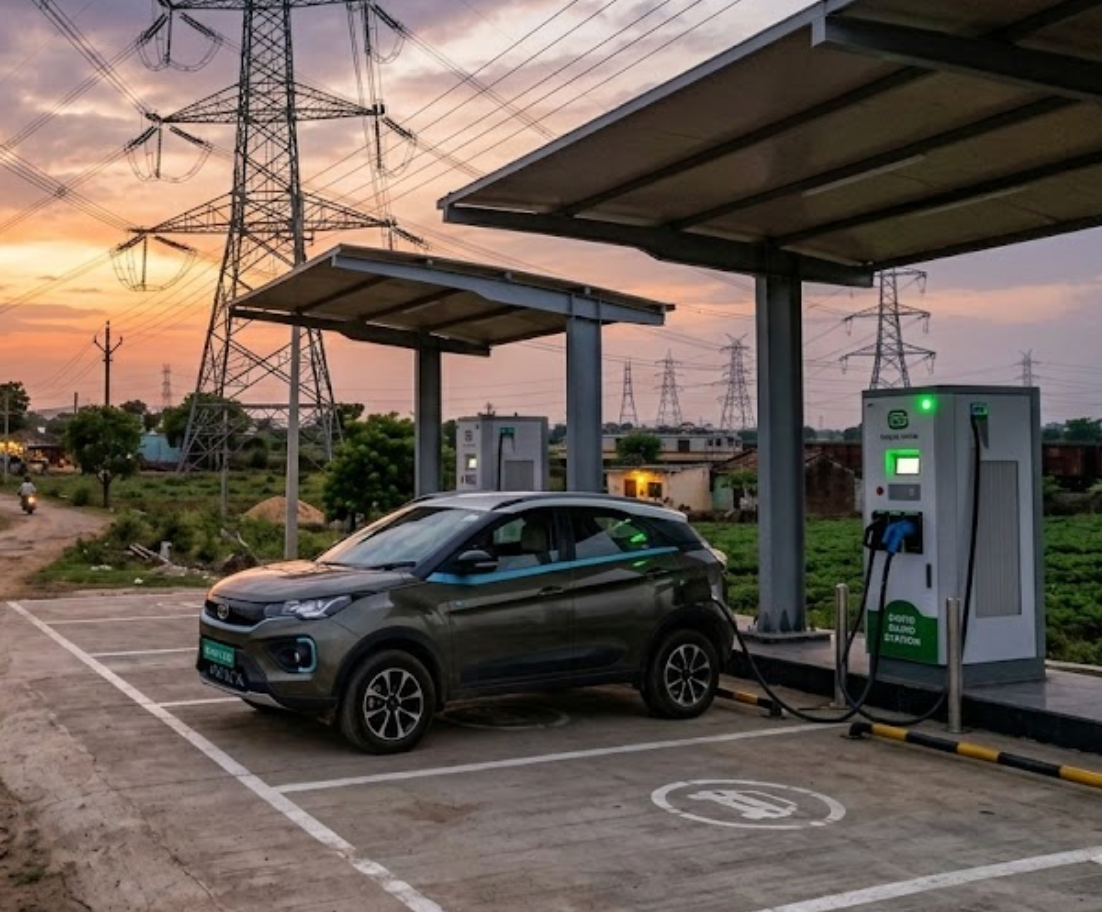
Another myth is that charging is always inconvenient. The experience depends heavily on where and how you drive. For owners with convenient home charging, plugging in can become part of a regular routine. Long-distance travel requires more planning, but public charging networks continue to expand in many regions.
Some buyers also believe EVs are only suitable for city driving. In reality, many electric vehicles are capable of handling long journeys, family transportation, and varied road conditions. The key is choosing a model with suitable range, charging capability, and practical features.
The Benefits of Driving an Electric Vehicle
The appeal of EV ownership goes beyond avoiding visits to a fuel station. Electric motors provide instant torque, creating smooth and quick acceleration. The absence of a traditional engine can also make the driving experience quieter and more refined.
Other potential benefits include:
- Lower routine maintenance requirements
- Reduced spending on conventional fuel
- Smooth and responsive acceleration
- Quiet operation
- Convenient home charging for eligible owners
- Advanced technology and connected features
- Zero tailpipe emissions from pure battery-electric vehicles
These advantages do not mean every EV is perfect for every driver. Charging access, purchase price, and long-distance travel needs still matter. The goal is to determine whether the benefits fit your lifestyle.
Preparing for Your First EV Ownership Experience
Before bringing an EV home, plan your charging routine. If home charging is available, learn what equipment and electrical setup may be needed. If you depend on public charging, identify convenient locations near your home, workplace, and common travel routes.
It is also helpful to learn how the vehicle displays battery percentage, estimated range, and charging information. Estimated range is not a fixed promise. It changes based on speed, temperature, terrain, and energy use. New owners may spend the first few weeks learning how their driving style affects efficiency.
Long trips should be planned with charging stops in mind. Over time, this becomes easier as drivers gain experience. The most successful EV buyers are usually those who understand their own driving needs before selecting a model.
Conclusion
Buying an electric vehicle for the first time does not have to be complicated. The most important step is to understand the basics: battery capacity, driving range, charging speed, ownership costs, and the type of EV that best fits your routine. Instead of choosing a vehicle based on trends or a single impressive specification, focus on how the car will perform in your everyday life. For many drivers, an EV can offer a practical, efficient, and enjoyable alternative to conventional vehicles. The right choice depends on your travel habits, charging access, budget, and expectations. With careful research and realistic planning, first-time buyers can move into electric driving with greater confidence. As whitemagz makes clear, understanding the technology before making a purchase is the best way to turn your first EV experience into a smart long-term decision.