

Online shopping is moving into a more intelligent, personalized, and experience-driven era. Consumers no longer judge an e-commerce business only by its product selection or price. They increasingly expect fast delivery, convenient payment choices, personalized recommendations, transparent policies, engaging content, and smooth experiences across multiple devices. At the same time, advances in artificial intelligence, automation, augmented reality, and data analytics are giving retailers new ways to understand customers and improve operations.
As whitemagz examines the changing digital marketplace, one major theme becomes clear: e-commerce is shifting from simple online transactions toward connected shopping ecosystems. Customers can discover products through social content, compare alternatives using intelligent tools, interact with virtual product demonstrations, and complete purchases with minimal friction. These developments are influencing both large retailers and smaller online businesses. Understanding the direction of these changes can help brands prepare for customer expectations while identifying opportunities for sustainable digital growth.
AI Is Making Online Shopping More Personalized
Artificial intelligence is becoming one of the most influential technologies in e-commerce. Retailers can use AI systems to analyze browsing behavior, purchasing patterns, product interactions, and customer preferences. Instead of showing every visitor the same storefront, businesses can create experiences that adapt to individual interests.
AI-powered recommendation engines can suggest complementary products, identify relevant categories, and help shoppers discover items they may otherwise overlook. Generative AI is also changing how customers interact with online stores by enabling conversational shopping assistants that can interpret natural-language requests.
For example, instead of searching through multiple product categories, a shopper could describe a need such as finding a lightweight backpack suitable for weekend travel. An intelligent shopping assistant could narrow the selection according to capacity, materials, price range, and intended use.
The growing role of AI does not eliminate the importance of human judgment. Retailers still need accurate product information, reliable data, and responsible personalization practices. The most successful applications will likely combine automation with useful, human-centered experiences.
Social Commerce Is Turning Content Into Shopping Experiences
Social platforms are increasingly becoming important product-discovery environments. Consumers often encounter products while watching short videos, following creators, exploring trends, or engaging with communities. This behavior is reducing the distance between entertainment and purchasing.
Social commerce allows businesses to turn engaging content into potential buying opportunities. Product demonstrations, styling videos, tutorials, customer-generated content, and creator partnerships can all influence purchasing decisions.
This trend is especially powerful because consumers often trust demonstrations and authentic experiences more than traditional advertisements. A short video showing how a product works can answer questions that a static product image cannot.
Businesses adopting social commerce should focus on usefulness rather than constant promotion. Effective strategies include:
- Demonstrating products in realistic situations
- Sharing customer-generated experiences
- Using short-form educational content
- Collaborating with relevant creators
- Making product information easy to understand
- Maintaining consistent branding across channels
As whitemagz explores emerging e-commerce behavior, social commerce stands out because it combines discovery, engagement, and purchasing within increasingly connected digital journeys.
Mobile Shopping Will Become Even More Important
Smartphones have already changed how consumers browse and purchase products, but mobile commerce continues to evolve. Shoppers expect websites and applications to load quickly, display information clearly, and provide effortless navigation on smaller screens.
A complicated checkout process can cause customers to abandon their carts even when they are interested in a product. Mobile shoppers are particularly sensitive to unnecessary steps, confusing forms, and slow payment experiences.
Retailers can improve mobile commerce by prioritizing:
- Fast-loading product pages
- Simple navigation
- Large and accessible interface elements
- Convenient digital payments
- Clear shipping information
- Easy account and checkout processes
- Mobile-friendly customer support
The future of mobile commerce will not simply involve shrinking desktop websites onto smartphone screens. Instead, businesses will increasingly design shopping journeys specifically around mobile behavior, including voice input, personalized notifications, digital wallets, and app-based loyalty experiences.
Augmented Reality Can Reduce Purchase Uncertainty
One of the persistent challenges of online shopping is that customers cannot physically examine products before purchasing. Augmented reality is helping address this limitation by allowing shoppers to visualize products in their own environments.
Furniture retailers, for instance, can let customers preview how a chair or table might look inside a room. Fashion businesses can experiment with virtual try-on experiences, while beauty brands can provide digital simulations of different products.
These tools can make online shopping more interactive while helping customers make better-informed decisions. They may also reduce dissatisfaction caused by products looking different from what shoppers expected.
However, AR experiences should solve genuine customer problems rather than exist simply as technological demonstrations. If an AR tool is difficult to use or produces unreliable results, it may create more frustration than value.
The strongest implementations will therefore prioritize accuracy, simplicity, and practical usefulness. As technology improves, immersive shopping could become a standard feature in product categories where appearance, size, or fit significantly influences purchasing decisions.
Omnichannel Retail Is Creating Connected Customer Journeys
Consumers rarely interact with brands through only one channel. Someone might discover a product through social media, research it on a smartphone, visit a physical store, and later purchase it through a laptop. E-commerce strategies increasingly need to account for these interconnected journeys.
Omnichannel retail aims to create continuity across different customer touchpoints. Product availability, pricing, promotions, customer accounts, loyalty benefits, and order information should ideally remain consistent wherever customers interact with the business.
For retailers, this requires stronger integration between digital platforms, inventory systems, customer databases, and physical operations.
A connected approach can provide several advantages:
- Greater convenience for customers
- Better visibility into inventory
- More consistent branding
- Flexible fulfillment options
- Improved customer service
- Stronger understanding of purchasing behavior
According to the perspective whitemagz brings to modern digital trends, omnichannel commerce is becoming less about maintaining multiple sales channels and more about making those channels feel like parts of one unified experience.
Fast and Flexible Delivery Is Becoming a Competitive Advantage
Delivery has become an important part of the overall shopping experience. Customers increasingly compare retailers not only according to product prices but also according to delivery speed, reliability, tracking, and flexibility.
However, speed is not always the only priority. Some consumers may prefer lower-cost standard shipping, scheduled delivery windows, pickup options, or environmentally responsible fulfillment.
Retailers are therefore experimenting with different logistics models. Local fulfillment centers, automated warehouses, optimized delivery routes, and strategically positioned inventory can help businesses improve efficiency without relying exclusively on expensive express shipping.
The following comparison illustrates how fulfillment choices can affect the customer experience:
| Fulfillment Approach | Main Customer Benefit | Key Business Challenge |
|---|---|---|
| Same-day delivery | Maximum convenience | Higher operating costs |
| Next-day delivery | Strong balance of speed and cost | Requires efficient inventory |
| Standard shipping | Lower delivery expense | Longer waiting period |
| Store pickup | Immediate local access | Requires accurate stock data |
| Scheduled delivery | Greater customer control | More complex logistics |
The future of e-commerce fulfillment will likely focus on flexibility rather than a single universal delivery model.
Sustainable E-Commerce Is Becoming a Business Priority
Environmental awareness is influencing purchasing decisions and operational strategies. Consumers are increasingly paying attention to packaging, product durability, shipping practices, and waste.
Retailers are responding by exploring recyclable packaging, reusable shipping materials, consolidated deliveries, and more efficient warehouse operations. Some businesses are also encouraging customers to choose slower delivery options when those options allow orders to be grouped more efficiently.
Sustainability can also extend beyond logistics. Product design, repair programs, resale models, and longer-lasting goods can create alternative approaches to traditional consumption.
Nevertheless, businesses need to communicate sustainability efforts carefully. Customers are becoming more attentive to vague environmental claims, so companies should prioritize measurable and transparent improvements.
Sustainable e-commerce is therefore moving beyond marketing language. It is increasingly connected to supply-chain management, packaging design, product development, and long-term operational efficiency.
Flexible Payments Are Expanding Consumer Choice
Payment technology is another major area of change. Digital wallets, instant payment systems, installment options, and other flexible methods are giving shoppers more ways to complete purchases.
Convenience plays a major role. Customers are more likely to continue a transaction when their preferred payment method is available and the checkout process is straightforward.
Installment-based payment options can also make larger purchases more accessible, although retailers should present financing terms clearly and responsibly. Transparency is important because customers need to understand total costs, payment schedules, and applicable conditions before completing a transaction.
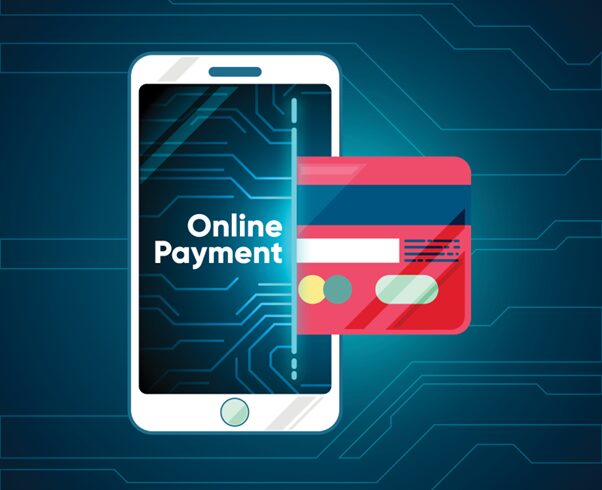
Security remains equally important. E-commerce businesses must protect payment information, monitor suspicious transactions, and provide customers with confidence throughout the checkout process.
As whitemagz highlights through the broader evolution of digital commerce, payment innovation is not simply about adding more payment buttons. It is about making transactions secure, understandable, and convenient without creating unnecessary complexity.
Voice and Conversational Shopping Are Gaining Momentum
Voice technology is opening another path for product discovery. Consumers can use natural language to search for products, check order information, compare options, or request recommendations.
Conversational commerce can make shopping feel less like navigating a catalog and more like having a helpful discussion. This is particularly useful when shoppers know what they want to accomplish but do not know the exact product terminology.
For businesses, conversational systems can also support customer service by handling routine questions about orders, returns, shipping, and product details.
The challenge is accuracy. Customers quickly lose trust when an automated assistant misunderstands requests or provides incorrect information. Successful conversational shopping will therefore depend on high-quality product data, strong language understanding, and clear pathways to human assistance when necessary.
Personalization Must Be Balanced With Privacy
Personalization can improve shopping experiences, but excessive data collection can create concerns. Consumers increasingly want relevant recommendations without feeling that their every online action is being monitored.
Retailers need to establish a careful balance between personalization and privacy. Clear consent practices, responsible data handling, strong security measures, and transparent explanations can help build customer confidence.
Rather than collecting every possible piece of information, businesses can focus on data that genuinely improves the customer experience. Useful personalization should feel helpful rather than intrusive.
This principle will become increasingly important as AI systems become more capable of processing large quantities of consumer information. Businesses that treat customer data responsibly can build stronger relationships while reducing unnecessary privacy risks.
The Future of E-Commerce Will Focus on Experience
The next phase of online shopping will not be defined by a single technology. Instead, multiple innovations will work together to create faster, smarter, and more engaging customer journeys.
AI can provide personalized recommendations. Social commerce can introduce products through engaging content. AR can help customers visualize purchases. Mobile technology can make shopping accessible anywhere. Flexible payments can simplify checkout, while advanced logistics can improve fulfillment.
For businesses preparing for the future, several priorities deserve attention:
- Build customer journeys around convenience
- Invest in accurate product and customer data
- Improve mobile shopping performance
- Use AI where it delivers measurable value
- Integrate sales and fulfillment channels
- Strengthen privacy and security practices
- Offer flexible delivery and payment choices
- Measure customer satisfaction alongside revenue
The goal should not be to adopt every new trend. Businesses need to identify technologies and strategies that solve real customer problems and support sustainable growth.
How Businesses Can Prepare for the Next E-Commerce Era
Preparing for future e-commerce trends requires a combination of technology, strategy, and customer understanding. Companies should first evaluate their existing shopping journey and identify points where customers experience friction.
They can then prioritize improvements based on measurable business outcomes. A retailer with high cart abandonment may benefit more from checkout optimization than from an expensive immersive shopping feature. Similarly, a company struggling with product returns may gain more from better product visualization and descriptions than from increasing advertising expenditure.
Businesses should also test new technologies gradually. Pilot programs allow retailers to measure customer response before making large investments.
As whitemagz examines the future of online retail, adaptability emerges as one of the most valuable capabilities. Consumer expectations can change quickly, and businesses that continuously test, learn, and improve will be better positioned to respond.
Conclusion
E-commerce is entering a period where convenience, personalization, technology, and trust are becoming deeply connected. Customers want more than an online catalog. They want shopping experiences that understand their needs, provide useful information, simplify purchasing, and deliver products reliably. AI, social commerce, mobile experiences, augmented reality, omnichannel retail, flexible payments, sustainable logistics, and conversational tools are all contributing to this transformation. Yet technology alone will not determine which businesses succeed. The strongest retailers will be those that use innovation thoughtfully while keeping customer needs at the center of every decision.