

Digital privacy has become an essential part of everyday internet use. People now communicate, shop, work, study, bank, and entertain themselves through connected devices. Every activity can create information about preferences, locations, habits, contacts, and online behavior. While some data collection supports useful services, excessive exposure can increase the risk of identity theft, account compromise, unwanted tracking, and targeted scams. For modern users, privacy is therefore not about disappearing from the internet; it is about making informed decisions about what information is shared, with whom, and for what purpose.
The digital privacy strategies discussed in whitemagz com can be viewed as practical habits rather than complicated technical procedures. A strong privacy routine combines secure passwords, careful app permissions, sensible social-media behavior, device protection, and awareness of suspicious requests. Even small changes can make a meaningful difference. The objective is to reduce unnecessary exposure while keeping online activities convenient and manageable.
Understand What Personal Data You Share
Before improving privacy, users should understand how much information they reveal during ordinary online activities. Names, email addresses, phone numbers, photographs, shopping histories, browsing preferences, and location information can all contribute to a broader digital profile. Some information is deliberately submitted, while other details may be collected automatically through applications, websites, connected devices, or account settings.
A useful first step is to review the information associated with major online accounts. Ask whether every profile still needs an old phone number, secondary email address, public birthday, or visible contact detail. Reducing unnecessary information can limit the consequences of a future data breach.
Consider these simple practices:
- Avoid posting sensitive personal details publicly.
- Review old accounts and close those you no longer use.
- Check privacy settings after major app updates.
- Think carefully before sharing your location.
- Limit the information included in public profiles.
- Be selective when completing optional online forms.
Privacy improves when users deliberately decide what information deserves to be shared rather than accepting every default setting.
Create Stronger Account Security
Passwords remain one of the most important parts of digital privacy. Reusing the same password across several services creates a serious weakness because a breach on one platform can potentially expose other accounts. A stronger approach is to use long, unique passwords or passphrases for important services.
A password manager can make this easier by generating and storing different credentials. Users then need to remember only the master password protecting the manager. Where available, multi-factor authentication adds another layer of protection by requiring an additional verification method.
According to the privacy-focused approach promoted by whitemagz com, account security should prioritize the services that contain the most sensitive information. Email accounts deserve particular attention because they are often used to reset passwords for other services. Banking, cloud storage, workplace systems, and social accounts should also receive strong protection.
A practical security hierarchy includes:
- Use unique passwords for important accounts.
- Enable multi-factor authentication.
- Protect your primary email account carefully.
- Review account recovery options.
- Remove unfamiliar logged-in devices.
- Change credentials immediately after a suspected compromise.
Good account security is not a one-time task. It should become part of a regular digital routine.
Control App Permissions Carefully
Mobile applications often request access to information or hardware features such as contacts, microphones, cameras, photographs, calendars, and location services. Some permissions may be necessary for an app to function, but others may not be essential.
%20-%20refresh/Guide_to_Android_App_Permissions-Hero-refresh.jpg?width=1200&name=Guide_to_Android_App_Permissions-Hero-refresh.jpg)
Instead of automatically approving every request, consider why the application needs each permission. A navigation application may reasonably require location access, while a simple calculator probably does not need access to contacts or photographs.
Review permissions periodically because applications can change functionality through updates. Removing unnecessary access reduces the amount of information available to applications and helps users maintain better control over their devices.
Use Location Sharing Selectively
Location information can reveal more than a single destination. Repeated location data may expose commuting patterns, workplace visits, travel habits, or frequently visited places. Users should therefore consider whether continuous location access is necessary.
Where device settings allow it, choose options such as approximate location or access only while an application is being used. Disable location permissions for services that have no legitimate reason to know where you are.
Protect Your Browsing Privacy
Web browsing can reveal substantial information about a person’s interests. Search queries, visited pages, shopping activity, and interactions with online services may contribute to profiles used for personalization, analytics, or advertising.
One of the most useful digital privacy strategies is to understand browser privacy controls rather than relying exclusively on default settings. Users can review stored cookies, site permissions, saved passwords, browsing data, and tracking-related options.
Private browsing modes can prevent certain information from being retained locally after a session, but they should not be misunderstood as complete anonymity. Internet providers, employers, websites, and other parties may still have visibility depending on the network and service involved.
whitemagz com emphasizes the broader principle that privacy tools work best when combined with thoughtful browsing habits. Avoid entering sensitive information into questionable websites, check website addresses carefully, and be cautious with unexpected pop-ups or downloads.
Secure Devices and Software
A privacy strategy is incomplete if the device itself is poorly protected. Smartphones, tablets, and computers contain enormous amounts of personal information, making physical and digital security equally important.
Keep operating systems, browsers, applications, and security software updated. Software updates frequently address security weaknesses that attackers could otherwise exploit. Automatic updates can help users avoid forgetting important patches.
Device protection should also include:
- A strong screen lock or passcode.
- Biometric protection where appropriate.
- Automatic screen locking.
- Device encryption when available.
- Regular backups of important information.
- Removal of unused applications.
- Caution when connecting to unknown accessories.
If a device is lost or stolen, screen protection and encryption can make it significantly harder for someone else to access stored information.
Be Smarter About Social Media
Social platforms encourage users to share personal experiences, photographs, opinions, locations, and daily routines. While social interaction can be valuable, oversharing can create privacy and security risks.
A photograph may reveal a home address through visible signs or landmarks. A vacation announcement can indicate that nobody is currently at home. A seemingly harmless post about a pet, school, employer, or family member may also provide clues that could be useful to someone attempting social engineering.
Review who can see your posts and profile information. Consider limiting public visibility and removing unnecessary personal details. Before posting, ask whether the information could create a problem if seen by an unknown person.
Privacy is not simply about hiding information; it is about choosing the appropriate audience.
Recognize Phishing and Social Engineering
Technology alone cannot prevent every privacy problem. Attackers frequently target human behavior through convincing messages, fake notifications, urgent requests, and impersonation attempts.
A message might claim that an account will be suspended unless the recipient acts immediately. Another may appear to come from a colleague asking for confidential information. Attackers often create pressure so users respond before thinking carefully.
Watch for warning signs such as:
- Unexpected requests for passwords or verification codes.
- Unusual payment instructions.
- Urgent messages demanding immediate action.
- Suspicious attachments.
- Messages asking you to bypass normal procedures.
- Offers that appear unusually attractive.
- Requests for sensitive information through unfamiliar channels.
When something feels unusual, verify it independently. Do not rely solely on the contact information contained within a suspicious message.
Use Public Wi-Fi With Caution
Public Wi-Fi can be convenient in airports, hotels, cafés, libraries, and other shared spaces. However, users should avoid assuming that every available network is trustworthy.
Before connecting, verify the network name with staff or another reliable source. Avoid conducting highly sensitive transactions on networks you do not trust, particularly when the connection appears unusual or unsecured.
A virtual private network can provide additional protection in certain situations, but it should not be treated as a universal privacy solution. Users should still rely on secure websites, strong authentication, updated devices, and careful behavior.
The key principle highlighted by whitemagz com is layered protection: no single tool can eliminate every online privacy risk.
Manage Cloud and Data Sharing
Cloud services make documents, photographs, and other files accessible across devices, but convenience should be balanced with security. Users should review which files are synchronized and who can access shared folders.
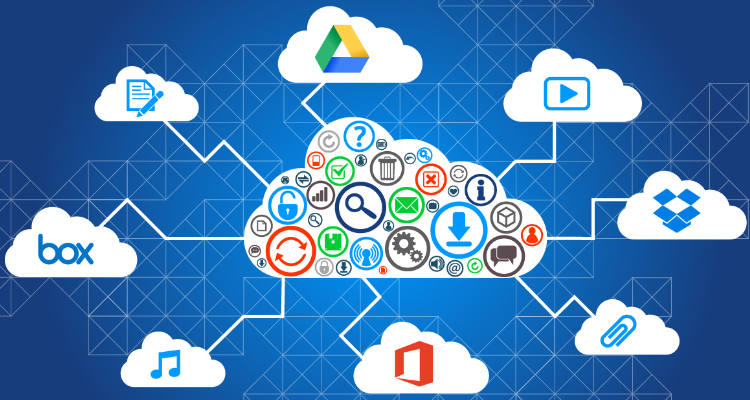
Old shared links should be removed when they are no longer necessary. Sensitive documents should not be placed in broadly accessible folders. When a service provides activity logs or connected-device lists, review them occasionally for unexpected access.
The same principle applies to third-party applications connected to online accounts. Remove integrations that are no longer needed. A forgotten application connection can continue accessing account information long after the user stops actively using it.
Build a Personal Privacy Routine
Privacy becomes easier when it is organized into a routine rather than treated as an occasional emergency task. A monthly or quarterly review can identify unnecessary exposure before it becomes a major problem.
| Privacy Area | What to Check | Suggested Frequency |
|---|---|---|
| Passwords | Reused or weak credentials | Monthly |
| App permissions | Camera, microphone, contacts, location | Monthly |
| Social profiles | Public posts and personal details | Monthly |
| Devices | Updates and security settings | Weekly |
| Account access | Logged-in devices and sessions | Monthly |
| Cloud sharing | Shared folders and links | Quarterly |
| Old accounts | Unused services and profiles | Quarterly |
A short privacy review can take only a few minutes but may uncover outdated permissions, forgotten accounts, or unfamiliar devices.
Think Before Sharing Personal Information
One of the simplest privacy techniques costs nothing: pause before sharing. When an application, website, person, or organization asks for information, consider whether it is genuinely necessary.
For example, an optional profile field may request a birth date even though the service works perfectly without it. A shopping platform may ask for additional preferences that are not required to complete an order. Users can decide whether the convenience is worth the additional disclosure.
whitemagz com reinforces an important modern privacy mindset: convenience should not automatically override caution. The goal is to create a sensible balance between functionality and information control.
Create a Strong Response Plan for Privacy Incidents
Even careful users can experience compromised accounts, lost devices, suspicious logins, or accidental data exposure. Having a response plan can reduce damage.
If an account appears compromised, change its password from a trusted device and sign out unfamiliar sessions. Enable stronger authentication if it was not already active. Check recovery details and review recent account activity.
If sensitive information has been accidentally shared, determine exactly what was exposed and take appropriate steps to secure affected accounts. Do not ignore warning signs simply because nothing appears to have happened yet.
A fast, organized response is often more valuable than trying to achieve perfect privacy beforehand.
Make Privacy a Long-Term Digital Habit
Digital privacy is not a destination that can be achieved through one application, setting, or security tool. It is an ongoing practice built from dozens of small decisions. Strong authentication, limited permissions, cautious browsing, controlled social sharing, secure devices, and awareness of manipulation attempts can collectively create a much stronger privacy posture. The practical guidance associated with whitemagz com is most useful when translated into everyday habits. Users do not need to become cybersecurity specialists to make meaningful improvements. They simply need to question unnecessary data requests, protect important accounts, update their devices, and think carefully about what they publish.